Cart
Loading…

RESEARCH TIMELINE
OUR COMMITMENT
TO SAFETY
Our team of doctors, scientists, and researchers conducts rigorous scientific studies to validate FUM’s benefits, going beyond ingredient data to test our complete formula and validate safety.
Clinical Overview™
Key takeaways
1.0
Consumer Survey Results
Flavored Air was shown to be twice as effective at helping stop bad habits than all other solutions on the market.
Shown in random, survey-based study of bad habit users in the past 30 days, living in the USA, between 18-60 years of age.
READ ARTICLEMore effective at helping stop bad habits over other products in the industry.

2.0
Third-party Toxicology Study
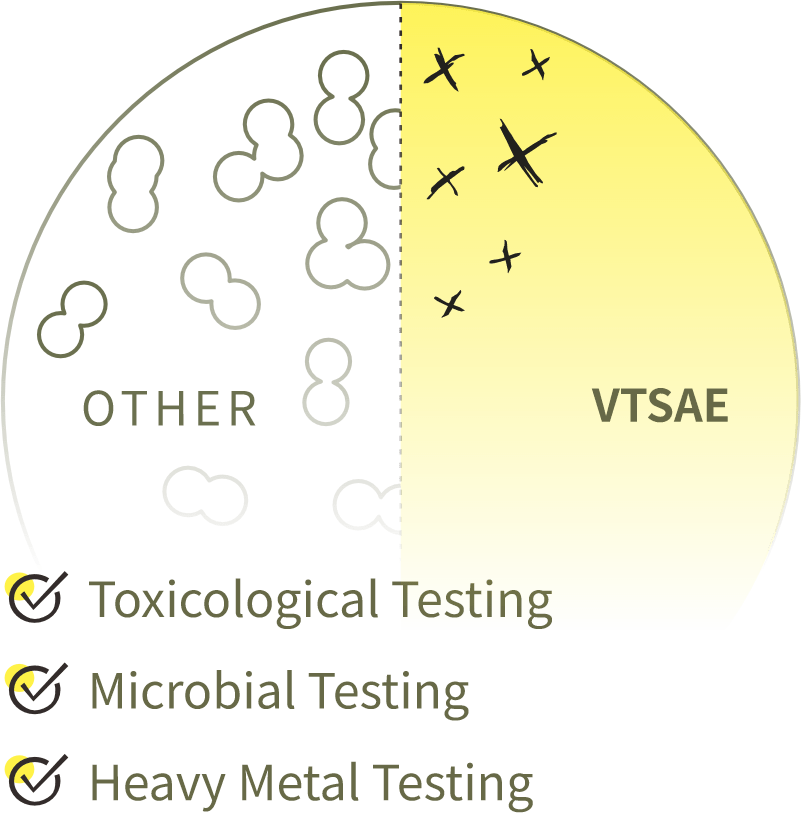
Cores shown through third party testing to safely pass toxicological guidelines.
Shown in third party toxicology study of VTSAE Cores.
READ ARTICLERisks of toxins shown in toxicology trials.
- ○ Toxicological Testing
- ○ Microbial Testing
- ○ Heavy Metal Testing
3.0
Third-party Toxicology Study
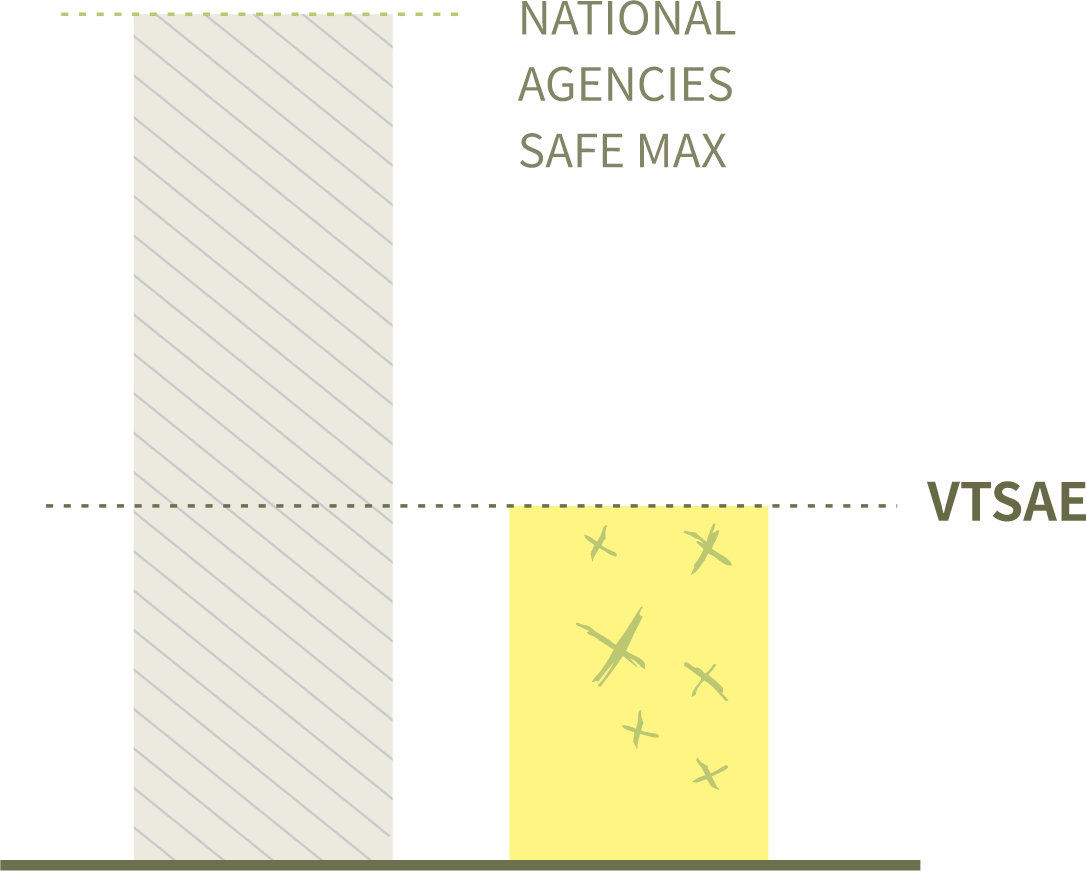
Exposure tests showed that VTSAE’s exposure is under safe daily usage, as defined by National Agencies monograph
Shown in third party study and compared to National Agencies monograph and public documentation.
READ ARTICLEOf the recommended safe usage, as shown by National Agencies monographs.
Things to keep in
mind for your Safety
Statements made on this website have not been evaluated by the FDA or Health Canada. These products and information are not intended to diagnose, treat, cure or prevent any disease.
- 1.0 VTSAE Cores are made with natural plants, if you notice irritation you may be allergic, stop using immediately.
- 2.0 If you’re pregnant or lactating, discuss with a physician before use.
- 3.0 If you’re on medications, discuss with a physician before use.
- 4.0 Keep out of the reach of children & pets.
Aligned with Peer-reviewed
Research Studies

Comparison Study
The Effects of Aromatherapy on "Bad Habit" Craving on a U.S. Campus: A Small Comparison Study
To evaluate the effect of two inhaled essential oils (black pepper and angelica) on the "bad habits" of students, staff, and faculty on a U.S. college campus. Results: Both black pepper and angelica reduced the level of "bad habit" and allowed a longer delay before next use of "bad habit". However, black pepper reduced the level of craving more than angelica, and angelica allowed for a longer delay than did black pepper. Conclusion: Aromatherapy may be useful in "stopping a bad habit" withdrawal. Further studies are warranted.

Research study
The Effect of Sensorimotor Replacement of "Bad Habits"
Current treatments for "bad habit" such as replacement therapy or varenicline address the primary reinforcer of "bad habit", but sensorimotor stimuli (e.g, smell/taste of "bad habit", inhaling/exhaling, airway sensations, holding) may act as secondary reinforcers and also contribute to "bad habit" reward.

Research study
Inhalation of Vapor from Black Pepper Extract Reduces "Bad Habits" Symptoms
In this study we investigated the subjective effects of a "bad habit" substitute delivering a vapor of black pepper essential oil. Forty-eight "bad habit" users participated in a 3-hr session conducted after overnight deprivation.
More Questions
About Safety?